


The Real Difference Between a Lucky Streak and a Winning Strategy
Every gambler remembers their first big win. The adrenaline spike when the reels stop in perfect alignment, the rush of a river card that completes your st
Every gambler remembers their first big win. The adrenaline spike when the reels stop in perfect alignment, the rush of a river card that completes your straight, the 90th-minute goal that turns a losing accumulator into a mortgage payment. Those moments are why we play. But here is the uncomfortable truth that separates players who last from players who burn out in six months: the thrill of a win has almost nothing to do with whether you'll still enjoy gambling a year from now.
The difference comes down to understanding what you're actually doing when you sit at a table, spin a slot, or place a bet. Not in a moralising way, but in a mechanical one. Casino games are mathematical products. They have costs, variance, and rhythms. Once you grasp those, everything changes.
The House Edge Isn't a Conspiracy — It's the Business Model
Let's start with the number most people chronically misunderstand: the house edge. It isn't a scam, and it isn't something the casino adjusts depending on how they feel about you that day. It's a fixed percentage baked into the rules of every game, and it determines how much you can expect to lose per pound, euro, or dollar wagered over a long period.
- Blackjack (basic strategy): roughly 0.5% to 1%
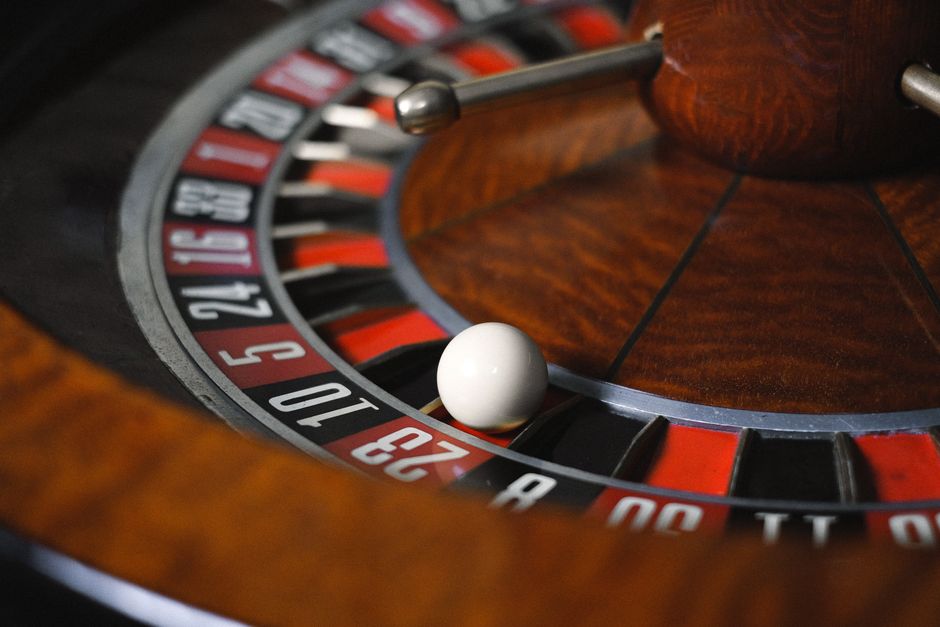
- European roulette: 2.7%
- American roulette: 5.26% (the double zero kills you)
- Baccarat (banker bet): 1.06%
- Slots: typically 2% to 10%, often higher on progressive jackpots
- Online slots: often tighter than land-based, sometimes 1% to 4%
This matters because a small edge compounds brutally over time. A player who wagers £1,000 a month on a 5% edge game expects to lose £50 on average. The same amount on a 0.5% blackjack table loses just £5. Multiply that over a year and you're looking at the difference between a modest hobby expense and a serious financial problem.
Variance Is the Reason You Remember the Wins
House edge describes the long run, but you don't live in the long run. You live in the short run, and that's where variance takes over. Variance is why a slot with a 4% edge can pay you 500x on a single spin and then eat your balance for two hours straight.
Two games with identical edges can feel completely different. A low-volatility slot pays frequent small wins — think 0.5x to 3x your stake. A high-volatility slot might pay nothing for 200 spins, then drop a 1,000x hit. Neither is better. They're different products for different temperaments. The mistake is grinding a high-volatility game with a bankroll built for low-volatility play, then blaming the game when it feels unfair.
The practical takeaway: match stakes to volatility. If you're buying into a high-volatility slot with £50, you're not gambling, you're donating. You need enough balance to survive the dead spins long enough for the volatility to have a chance to pay.
Poker Is a Skill Game With a Built-In Cost Structure
Poker sits in a strange position within iGaming. It's the only major game where a good player can sustain a long-term edge, but that edge is paid for through rake — the commission the house takes from every pot.
At low stakes, rake often exceeds any realistic win rate. A 5% rake capped at $3 sounds benign until you realise you're paying it hundreds of times a session. This is why many professional players grind at stakes where the cap makes rake a smaller percentage of pots won, not because they suddenly got better cards. For a closer look, king88 has helpful details.
Skill matters enormously, but context matters more. A genuinely excellent player stuck in a high-rake, tough-field game can still be a losing player. The table you choose is often worth more than the hand you play.
Five Things Winning Players Actually Do
Spend time around successful gamblers and you'll notice they share habits. Not mystical ones. Practical ones.
- They treat bankroll as separate money. Not rent, not savings, not the overdraft. A dedicated fund that can be lost without consequence.
- They know the rules cold. Basic strategy in blackjack, pot odds in poker, the actual RTP and volatility of the slots they play.
- They set session limits before starting. Both a loss limit and a win limit. Leaving at +£200 is harder than leaving at -£200, but it protects profits.
- They use bonuses strategically. Wagering requirements are the silent killer. A 40x wagering requirement on a £100 bonus with a 5% slot edge means you're expected to lose about £200 before clearing it. That's not a bonus, it's a job.
- They keep records. A simple spreadsheet showing deposits, withdrawals, and net position over months. Most people are shocked by what it reveals.
The Bonus Trap Nobody Warns You About
Welcome bonuses look generous because they are, in the sense that the number is large. What matters is the fine print. The wagering requirement, the game contribution percentages, the maximum bet while clearing, the expiry window, and the maximum cashout from bonus winnings.
A typical offer — 100% match up to £200 with 30x wagering on the bonus — requires £6,000 in wagers before any cashout. On a game with a 4% edge, that's an expected loss of £240 clearing a £200 bonus. The house wins. Occasionally the casino will throw out a genuinely player-friendly offer to attract volume, but those are rare and usually snapped up within hours.
If you're going to use bonuses, treat the requirement as the real number. Work out the expected cost before you claim, not after.
When It Stops Being Fun
This is the section most gambling articles skip, and it's the most important. Gambling should cost money you can afford to spend on entertainment, in the same way a concert ticket or a weekend away costs money. The moment it starts feeling like a way to fix financial problems, you've crossed a line that doesn't have a happy ending.
Set your annual gambling budget the way you'd set a holiday budget. If you blow it in the first weekend, you're done for the year. No exceptions. Every serious gambler I've ever respected has some version of this rule, and they follow it even when they're winning.
The Long View
Ninety-five percent of people who gamble regularly will lose money over a year. That's not pessimism, it's arithmetic. The industry is profitable precisely because the maths works in its favour. Knowing that doesn't mean you shouldn't play — it means you should play with your eyes open, at stakes and games that stretch your bankroll without breaking it, and with a clear picture of what you're actually paying for.
The best gamblers aren't the ones with the biggest wins. They're the ones who are still there in five years, still enjoying it, still in control. That's the only streak worth chasing.


Post a comment